



Finals week hits like this slow wave of dread. One day everything feels manageable; the next, your planner is full, your email is blowing up, and someone in your group chat keeps sending alarms like, “We’re all gonna die.” You start drinking more coffee than water, losing track of nights and days, and somehow you still feel like you’re behind.
I don’t say that to scare you. I say it because I’ve been there. More than once. And after a few messy finals weeks, cramming, half‑sleeping, rewriting the same paper three times, I realized something: I didn’t need to suffer to survive. I just needed to know what I was doing with my time, my brain, and my energy.
Here’s what I wish I knew before finals week: it doesn’t have to feel like an endurance test. It should feel like you’re at your best, not your most exhausted.
Panic feels productive, but it isn’t
The first trap? Mistaking panic for focus. When everything feels urgent, it’s easy to think that if you’re stressed, you must be working hard. So you doom‑scroll through your notes, open three different tabs, re‑read the same slide, then stare at the wall wondering if anything is actually stuck.
I used to call that “studying.” But it’s not really studying. It’s emotional multitasking. And at the end of the night, you’re tired, maybe a little wired, and not much closer to actually understanding the material.
Here’s what changed for me: I stopped trying to feel dramatic and started trying to be clear. I’d write down one thing I needed to finish, like “review chapter 6” or “draft intro paragraph” and then shut everything else out for 30–45 minutes. No comparing notes with friends, no checking your phone every three minutes. Just one thing.
It works so much better than frantically having “I’m‑so‑stressed‑look‑how‑hard‑I’m‑working” energy every time.
Not every study session has to feel like a workout
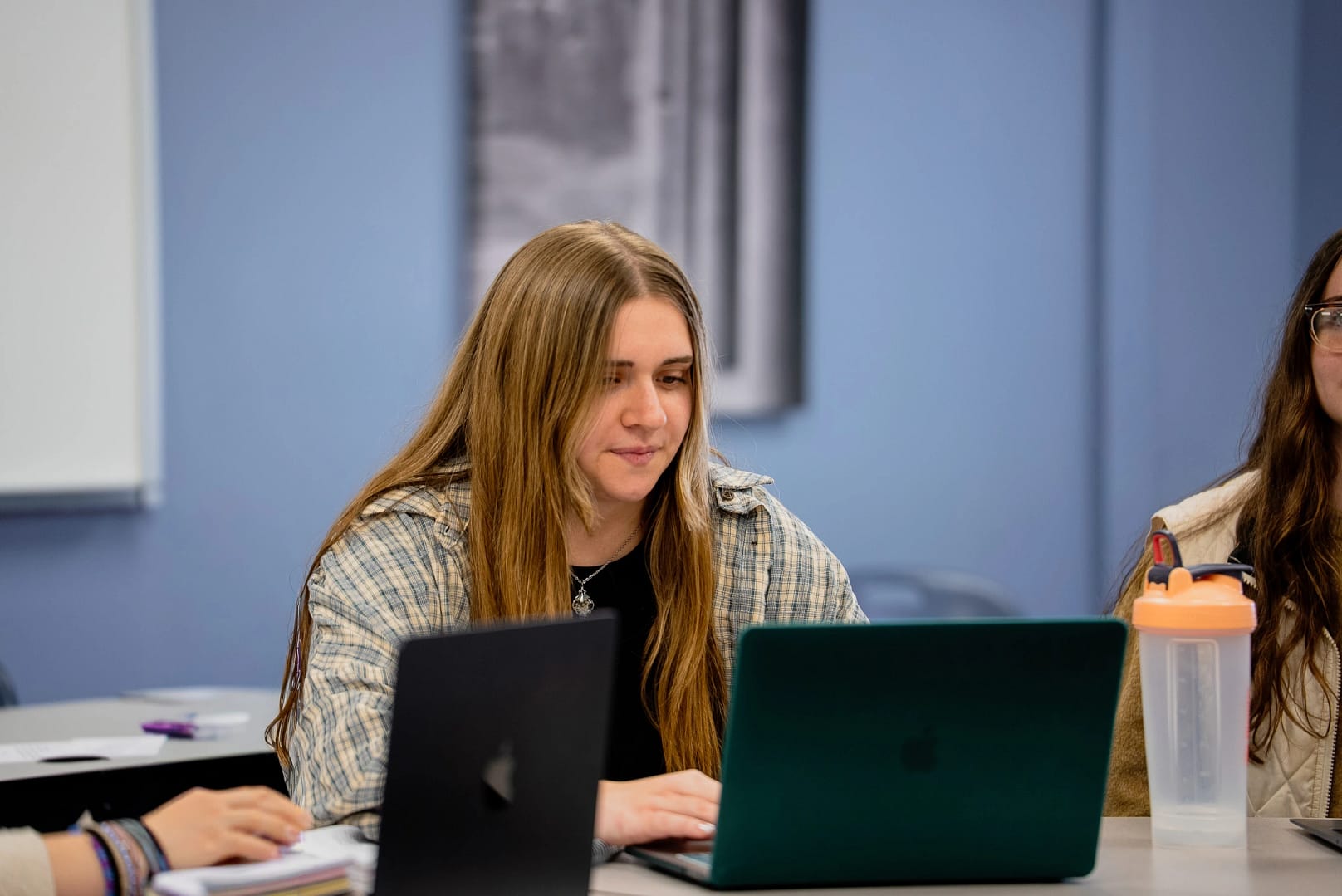
There’s this unspoken rule on campus: if it doesn’t feel like suffering, you’re not trying hard enough. You need the all‑night library grind, the empty coffee cups, the “I haven’t slept in 48 hours” flex. As if exhaustion is a badge of honor.
I wish I’d known earlier that intense study sessions are not the only kind that count. Some of my best review days were short, boring, and actually kind of chill. I’d sit down for 30 minutes, go over flashcards, quiz myself, then walk away.
Here’s the thing: your brain doesn’t learn better because you’re miserable. It learns better when you’re rested, focused, and not trying to cram everything in one night. Spread your studying out. Revisit notes a few times instead of once at the last second. You’ll surprise yourself with how much you remember.
Sleep is part of studying, not the opposite of it
I still remember walking into an exam after a “study all night” experiment. I told myself I was being brave. I told myself I was committed. In reality, I was half‑asleep, half‑panicked, and my brain felt like it was moving through syrup.
I did okay. But I could’ve done better with a few hours of sleep and a little less ego.
Here’s what I wish I’d known: sleep is one of your best tools. When you’re tired, your working memory drops, your focus drifts, and your ability to problem‑solve takes a hit. You might think you’re “reviewing more” by staying up late, but your brain is actually learning less.
Aim for 7–8 hours, even during finals. If that feels impossible, start with at least 6. And if you have to choose between rereading one more chapter and going to bed, choose bed almost every time. You’ll walk into the exam with a clearer head, and that matters more than you think.
Your phone is stealing time without warning you
We all know this, right? You sit down “to study,” grab your phone to check one message, watch a quick video, and suddenly you’re 20 minutes deep into something that has nothing to do with finals.
By the end of the week, that adds up to hours.
Here’s the version I wish I’d tried earlier: admit the phone is a distraction and design around it. Put it on silent, drop it on the floor, or leave it in another room. Turn off notifications. Use a timer if you need to. If you’re the kind of person who studies in the library, keep your phone on airplane mode and only open it during breaks.
You don’t need to give up your phone for the whole week. Just give yourself windows where it’s not there. When that happens, you’ll notice your focus sharpens, your watch goes faster, and your stress goes down.
You need people more than you think
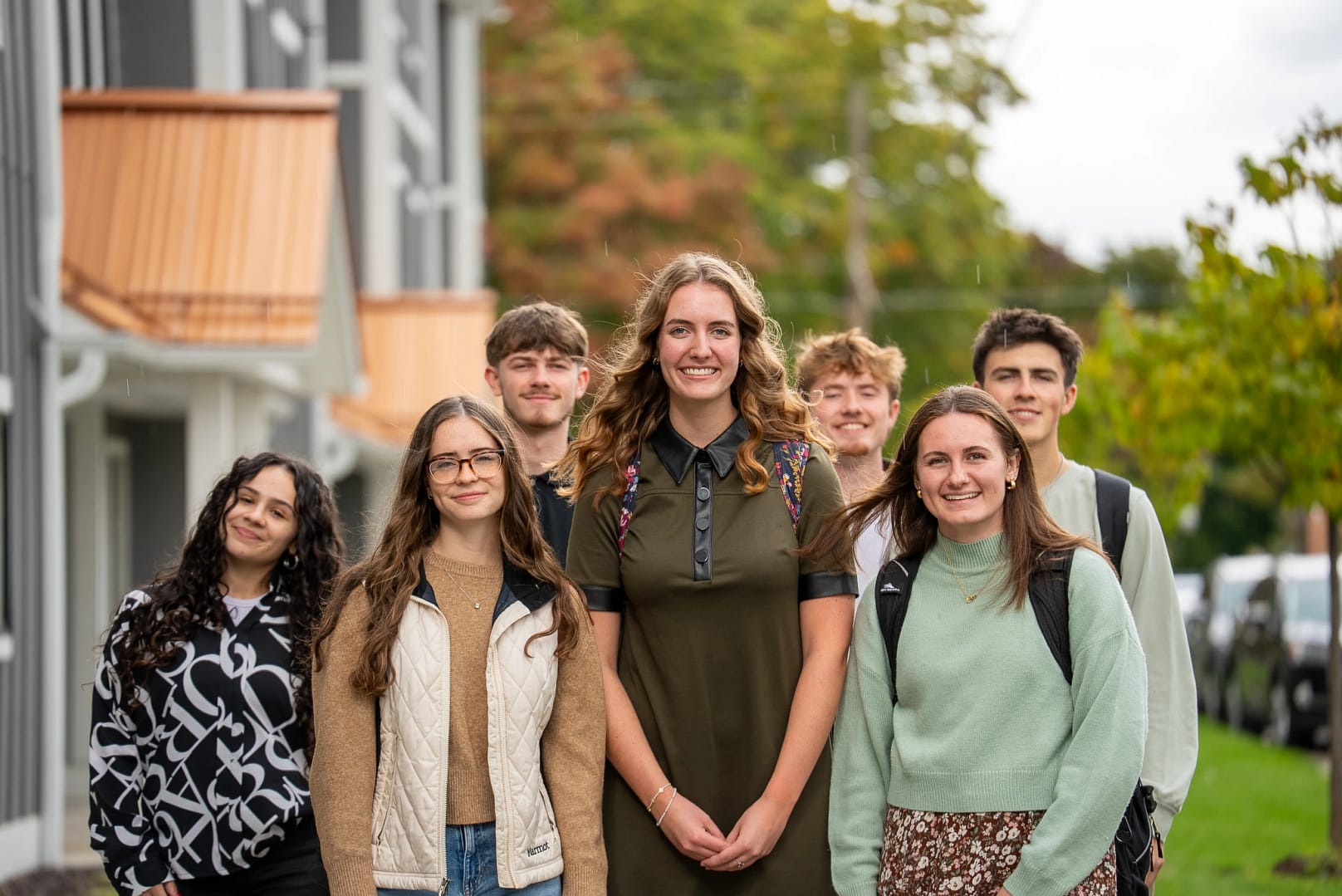
Finals have this weird way of making students go into isolation mode. You tell yourself, “I just need to lock in for a few days,” and then you disappear from group chats, avoid the dining hall, and forget to talk to anyone.
That’s when burnout starts creeping in.
I used to act like finals were a solo mission. Then I realized: a quick conversation with a friend, a study partner who asks you questions, or even someone who just says, “You got this,” can actually help you think better.
You don’t need a huge support system. You need a few real check‑ins. A roommate who reminds you to eat. A classmate who asks if you want to review together. Connection doesn’t just make finals feel lighter, it makes your brain feel lighter too.
Burnout starts before you notice
Burnout doesn’t always announce itself with a dramatic crash. It sneaks in. You start feeling weirdly tired even when you’ve slept. You snap at your roommate over tiny things. You open a textbook and your brain just… shuts down. You keep scrolling or staring at your notes without actually reading them.
I ignored those signs for a long time, thinking I “just had to push through.” But pushing through burnout is like driving with an empty tank, you’re eventually going to stop whether you like it or not.
What I wish I’d known: rest is not a reward for suffering; it’s a requirement for staying functional. If you’re taking breaks, getting outside, eating decent food, and not expecting yourself to be “on” 24/7, you’re already doing better than most students during finals.
Good grades matter, but they’re not your whole story
This is the one I wish someone had told me earlier: your worth is not tied to your GPA.
Grades matter. Deadlines matter. Your effort matters. But one final exam, one bad paper, or one rough semester doesn’t cancel out everything else you’ve done. Finals week makes everything feel bigger than it is, like one test will decide your whole future. It won’t.
And when everything starts to feel overwhelming, this is where you need to pause, not just to rest, but to reset. Prayer, worship, and as showing up to chapel can do more for your mind than another hour of stressed-out studying. It gives you space to breathe, to refocus, and to remember that you’re not carrying this alone.
If you don’t know where to start, here are 10 Bible Verses to Help You Through Finals Week that can help ground you.
What I’d tell my younger self
If I could go back and talk to myself before finals week, here’s what I’d say:
Plan earlier than you think you need to.
Sleep more than your pride wants you to.
Put the phone down.
Ask for help.
And stop treating stress like it proves you’re working hard.
Finals week will always be busy. It will always feel tight. But it doesn’t have to ruin you. The students who get through it best aren’t the ones who never struggle. They’re the ones who know when to focus, when to rest, and when to step back and say, “I’m doing the best I can, and that’s enough.
Earn your Degree at Grace